
Hardide-D Coating
Chemically bonded protective coating for TSP diamonds
We have developed an innovative new coating for TSP (thermally stable polycrystalline) diamond, a material with the hardness of diamond that is thermally stable up to 1200°C and can be manufactured into many shapes and sizes.
Hardide-D is the first successful high performance coating for TSP diamonds that can withstand the higher temperatures associated with TSP brazing, the extreme thermal and mechanical loads that occur when drilling abrasive and hard formations as well as aggressive media conditions.
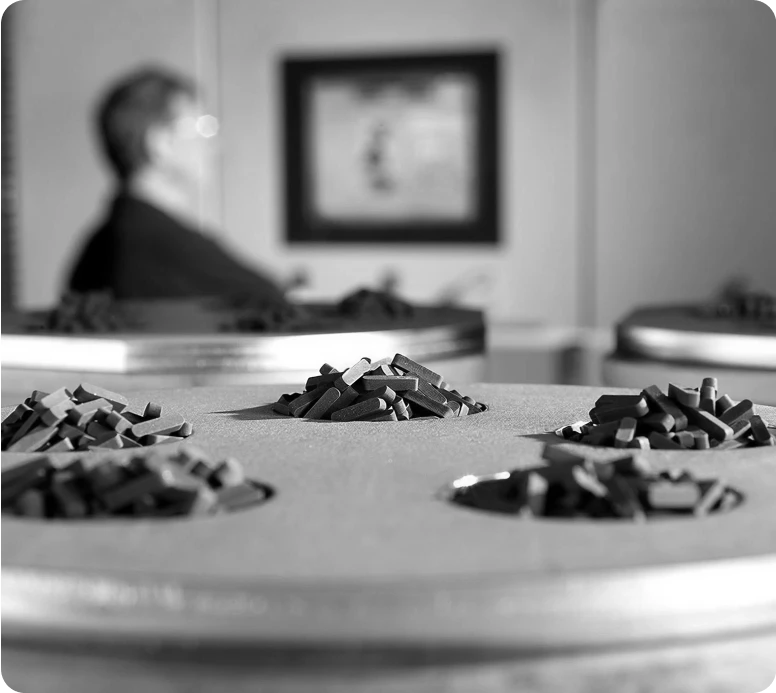
Hardide coated TSP (thermally stable polycrystalline) diamond
The innovative new coating for TSP (thermally stable polycrystalline) diamond
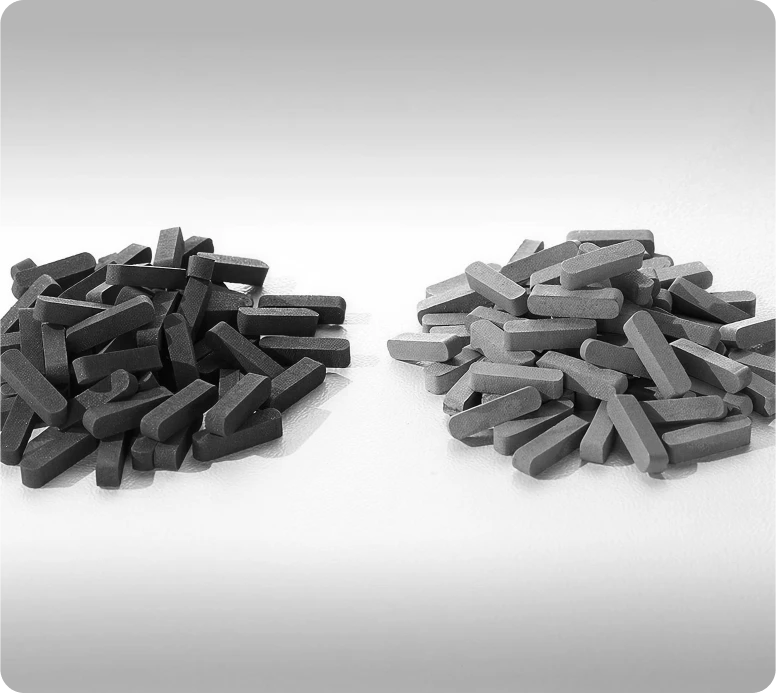
Coated and uncoated TSP components
Hardide-D for TSP (thermally stable polycrystalline) diamond can be manufactured into many shapes and sizes
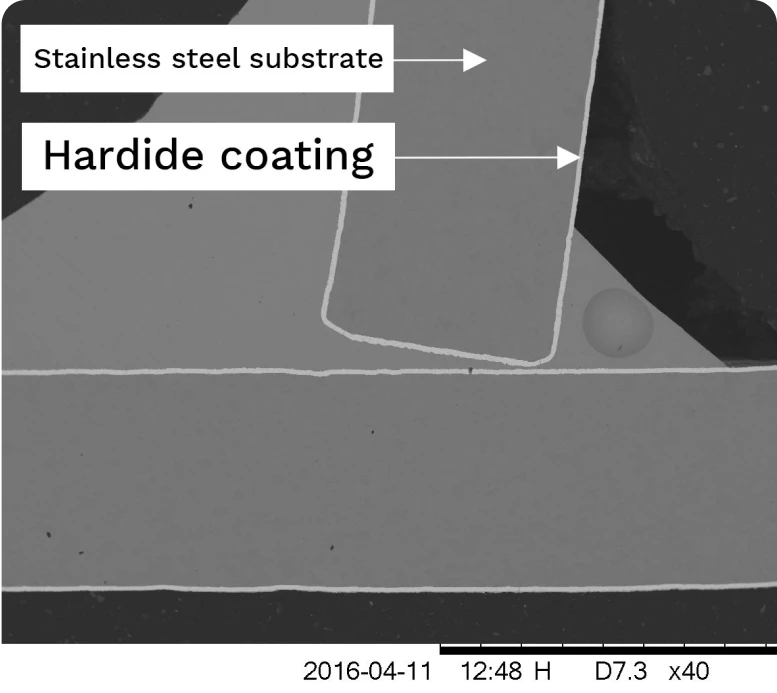
Brazed joint of Hardide coated components
The Hardide coating provides good wettability for brazing applications, allowing strong joints to be formed. This property is proven for attachment of Hardide-coated TSP diamonds to tool holders
Hardide-D: Tougher, Tighter, Pore-Free
Diamonds are notoriously difficult to attach and are prone to oxidation and graphitisation, limiting their hardfacing use to date. Previous attempts to solve these problems have been unsuccessful due to the porosity of other coatings and their weak adhesion to diamond. We overcame these hurdles with the development of Hardide-D as a pore-free tungsten carbide based adhesive and protective coating which chemically bonds to diamond and has good wettability with brazing alloys.
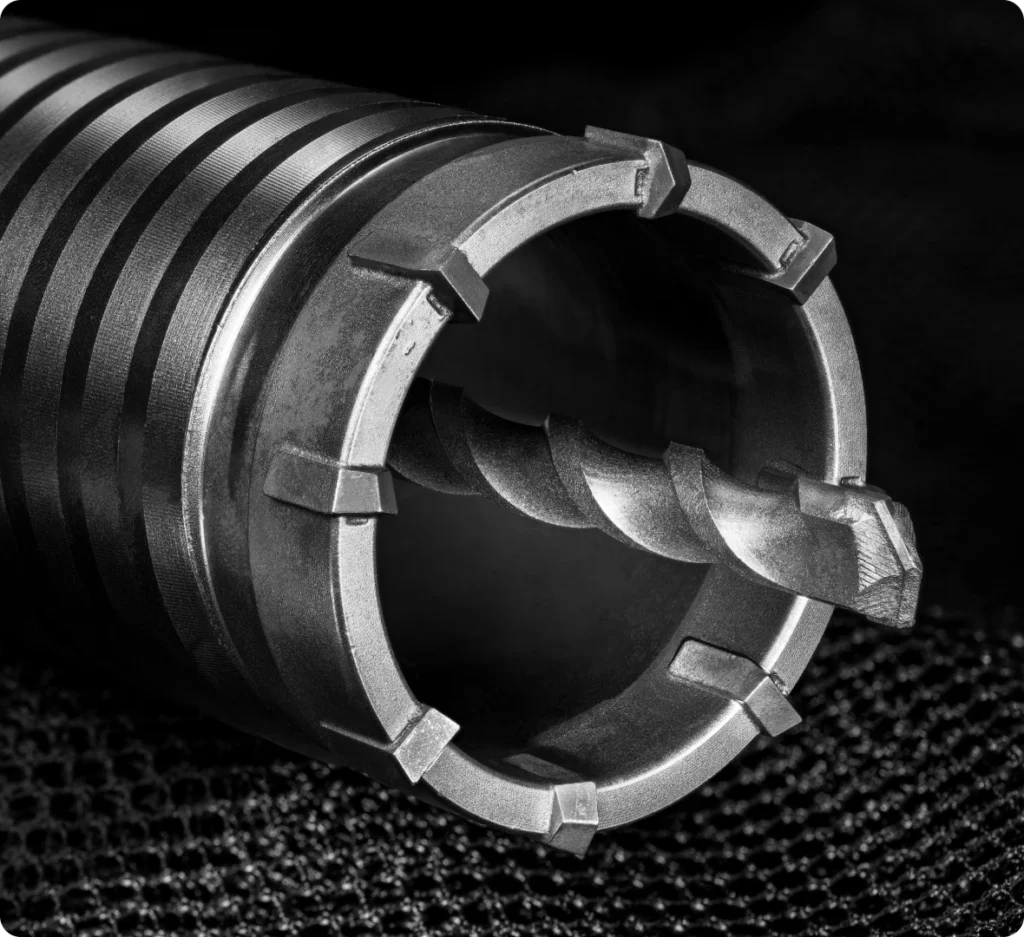
Hardide-D is enabling a new generation of hardfacing materials to be deployed in extremely abrasive wear and erosion conditions such as horizontal and directional drilling, as well as mining, mineral extraction and construction.
Key properties
| Parameter | Hardide-D |
| Microhardness [kgf/mm2] | 400 Hv (41 Rc*) |
| Coating Thickness | Typically 50 microns (0.002”) |
| Coating Toughness | Excellent. Good resistance to thermal shock. |